
-
Biddles Investment Group
-
9 min read

🤔 Do Any of These Sound Familiar?
-
You run out of money every two weeks like clockwork
-
You’re using credit cards, payday loans, or pawnshops to stay afloat
-
You want to live a lifestyle that doesn’t include checking your bank account before ordering fries
-
You answered YES to any of the above
If so, it’s time to make (or update) your budget — your financial GPS.
Because without a plan, you’re basically driving blindfolded with a gas tank that thinks it's funny.
Do you ever run out of money every 2 weeks or every month?
Using credit cards, payday loans, & pawnshops to make ends meet?
Do you want to align your budget with your vision of the lifestyle you intend to live?
If you answered YES to any of these, then you'll want to create and/or update your budget.
With a budget you can plan for your financial goals and track your spending. The best time to start budgeting is Now! You can't know where you are going without a map or gps, the same is similar in your finances

🧭 Why Budgeting Matters
A budget gives you control over your money — not the other way around.
It helps you:
-
Plan for your goals
-
Track where your money’s going
-
Stay out of “broke and confused” mode
You wouldn’t head out on a road trip without a GPS, right? Your money deserves the same treatment.
The most important thing for budgeting is to establish goals
🎯 Set Your Goals First
Before the spreadsheets, apps, or fancy calculators — ask: What do I want my money to do for me?
-
Buy a house?
-
Pay off debt?
-
Save for a dream vacation, wedding, or tiny goat farm?
Set clear short- and long-term goals. These will be your North Star.
If you would like to purchase a home, car, plan for your kids college or establish an emergency fund you'll need a budget to track your progress.
💡 Benefits of Budgeting
Budgeting isn’t just about saying no to brunch. Here's what it can do:
✅ Keeps you focused on your goals
✅ Shows where your money actually goes
✅ Cuts unnecessary spending
✅ Helps your credit score
✅ Prepares you for emergencies
✅ Leads to a more peaceful retirement
✅ Gives you data to adjust your habits
📘 What Is a Budget?
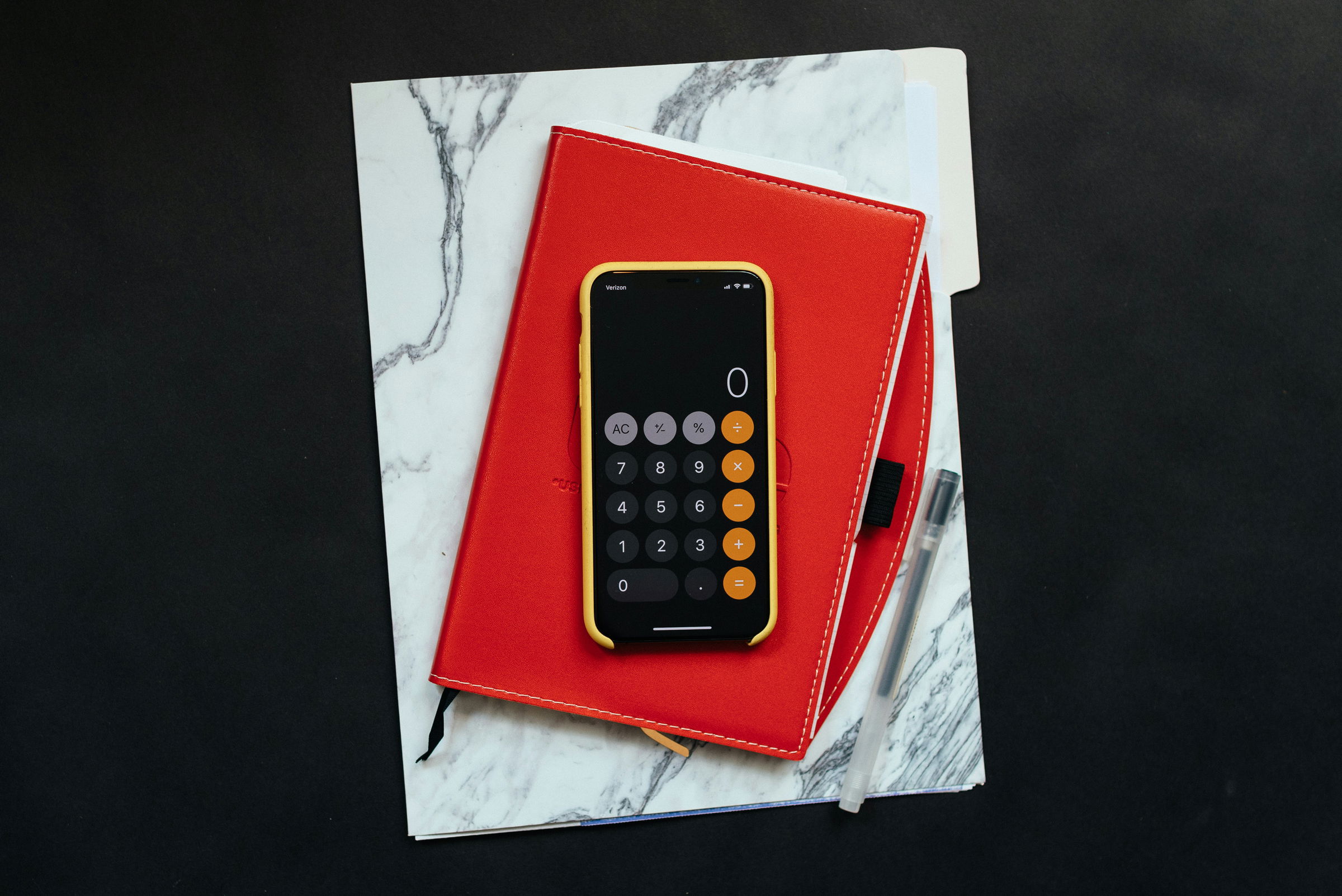
It’s not punishment. It’s a plan.
A budget helps you track how much money is coming in, how much is going out, and what you’re doing with the difference.
It’s your financial blueprint — with room for your dreams, goals, and yes, your oat milk latte.
💭 Why Have a Budget?
You already know not to spend more than you make — but how do you actually know what that number is?
Do you track it?
Budgeting helps you:
-
See your spending habits in black and white
-
Adjust in real-time
-
Actually fund your goals (not just talk about them)
🔁 Keeping It Fresh
A dusty budget is a useless budget.
Check in monthly (or at least quarterly) to make sure:
-
Your income hasn’t changed
-
Your expenses haven’t crept up
-
You’re still on track for your goals
Life changes — your budget should too.

🔁 Keeping It Fresh
A dusty budget is a useless budget.
Check in monthly (or at least quarterly) to make sure:
-
Your income hasn’t changed
-
Your expenses haven’t crept up
-
You’re still on track for your goals
Life changes — your budget should too.
🧮 The 50/30/20 Rule (With Wiggle Room)
This guideline helps break down your income:
-
50% for Needs (rent, food, bills)
-
30% for Wants (fun money, hobbies)
-
20% for Savings/Debt payoff
BIG TIP: This isn’t one-size-fits-all. If you live in a high-cost city or have a low income, your percentages might look more like 60/25/15 — and that’s OK.
Income, Spending, & Savings
There are 3 basic things you can do with your money each month:
-
Earn it
-
Spend it
-
Save it
The first step of building a budget is to figure out where you are with these actions each month. You'll need info about:
-
Your monthly income
-
Your monthly expenses
-
Your financial goals (long term and short term)

🏠 Top Priorities (Before the Fun Stuff)
Start with:
-
Covering all bills and responsibilities
-
Emergency Fund: Aim to save 1 month of expenses, then 3–6 months if possible
Your other goals (car, house, travel, etc.) can come after those two are solid.
Your first step is to know your take-home income each month.
-
Take home income
Knowing how much money is coming in each month is the starting place for your budget - this is how much you'll have to either spend or save!
💵 Income: Know What’s Really Yours
Gross Income = before taxes Net Income / Take-Home Pay = what hits your account
Use your paystub or tax form (AGI ÷ 12 = monthly ballpark).
Pay Frequency Cheatsheet:
-
Weekly = 52 paychecks
-
Biweekly = 26
-
Twice monthly = 24
Calculate Income
Your gross income is how much you get paid in total (your annual salary for example), but your take-home-income will only be a portion of this.
-
Gross Income
-
Take home income
Your take home income is how much you get AFTER everything is taken out of your paycheck - this could include taxes, retirement savings, health insurance premiums, etc.
BIG TIP:Exactly what gets taken out of your paycheck depends on where you work! It ma be some, all, or none of those things!Determine Take Home
The easiest way to determine your take home income is to take a look at your paycheck, paystub, or income tax form.
To calculate your income from a paycheck, multiply your paycheck amount by the number of pay periods (#of times you get paid each year) to get your annual take-home income, then divide by 12. For your tax form, calculate your adjusted gross income (AGI) and divide that by 12 which should give you a good ballpark figure of income each month minus the taxable deductions.
BIG TIP: Weekly paychecks = 52 pay periods Bi-Weekly paychecks = 26 pay periods Twice monthly paychecks = 24 pay periods

👩🏽💻 Got a Side Hustle?
Freelancing, gig work, or business income? Count it in your budget — but remember to subtract estimated taxes (usually 15–30%).
If it’s inconsistent, take the average of your last 3–6 months.
Side Hustle
If you have multiple jobs, you'll have to add together the pay from these various jobs to get your take-home income number. This could include a part-time job, babysitting, Amazon selling, freelance work or contact work, income from a side hustle. etc.
If your side hustle is pre-tax (meaning taxes aren't automatically deducted), you'll have to do the math and determine how much you will owe in taxes before factoring it into your monthly take home income.
💡 Needs vs. Wants (Let’s Be Real)
Needs = You literally can’t function without it (Rent, utilities, groceries, insurance)
Wants = Still important, just not survival level (Dining out, Netflix, skincare, sneaker drops)
Use real spending data — not just vibes.
Necessary & Discretionary
When we talk about your spending habits, there's an important distinction to keep in mind:
1) Necessary Spending - is the stuff you absolutely need to spend money on each month no matter what. This is usually not fun adulting expenses like rent, bills, loans, utilities, groceries, mobile phone etc.
2.) Discretionary Spending - is the stuff that you choose to spend money on that can vary each month. We like to think of this as your "fun money" - think clothes, dining out, concerts, movies, sports events, candles, happy hours, pet toys etc.
🧾 Track Your Spending

Go through:
-
Bank statements
-
Credit card charges
-
Auto-pay subscriptions
Find your actual monthly average. Don’t guess — you’ll underestimate every time.
Your Spending
To build or update your budget, you'll need to think about your monthly expenses, meaning all the things you spend money on every month.
One way to make sure you've accounted for everything is to comb through your checking accounts and credit card bills for any monthly recurring costs.
50% Needs
Financial experts recommend that you spend about 50% of your take home income on necessary spending.
This can include rent, utility payments, any insurance not covered by an employer, any loans payments (think student loans, car loan, mortgage, etc.) transportation costs, groceries required purchases or bills for your pet, and more.
BIG TIP: The recommendation is that 30% of your total income should go to rent (leaving 20% for other necessities) - but this may vary depending on your priorities and what rent costs where you live! 30% Wants
Experts then say that 30% of your take home income should go towards discretionary spending. This is your fun money! Things like shopping, vacation, dining out, a trip to the movies, concerts, other entertainment, and other hobbies.
It is tempting to think that you can be really good about not indulging, but it's definitely better to be realistic than to miss the mark ach month (i.e. if you spend a lot on Lyft, Uber, Starbucks coffee, and/or subscription services, be sure to account for that here.

💰 Savings (Yes, You Can)
Try to save at least 20% of your income — even if it starts with $5 a week.
Start small. Automate it. Build the habit.
Short-Term Savings: vacation, car, course Long-Term Savings: retirement, home, business, kids’ college
BIG TIP: Set up auto-transfer from checking to savings weekly or monthly. Reward yourself with something small (like a smoothie) when you hit milestones.
BIG TIP: Aim to save at least 20% of your income to place toward savings each month.
Don't neglect your savings! It is one of the easier things to control and can be automated if you set your bank to auto withdraw from your checking into your savings account with as little as $5 a week. Slowly increase your savings monthly, quarterly, or yearly and soon you'll quickly realize you didn't need that $10 or $20 here or there. However the impact to your savings will be evident.
Early on money can be tight with just the necessary spending. It's easy to let savings goals take a back seat.
If you are not able to save that much right now it's okay! Everyone's situation is different - just put some thought into what's right for you.

🧘🏽 Flexible… But Not Too Flexible
Some months will be tighter. Others might include surprises (hello, flat tire).
Build flex space in your budget — but don’t lose sight of the bigger picture.
Think of it like yoga: stretch, don’t snap.
No one's spending habits are exactly the same each month. Some months may have unexpected expenses, some months you may splurge on a luxury purchase, and some months you may be super good about cooking and saving money.
Your budget is going to need to be a little flexible to allow for these small month-to-month differences.
But, if you let yourself be too flexible, you can wind up spending more than you can afford, or not meeting your savings goals. Think of it like budget yoga - the budget should be able to bend and stretch, but not too much as to break the bank.
Build Your Budget
Once you have all the info about your take home income, necessary spending, discretionary spending, and savings goals, you've already done the heavy lifting of creating or updating a budget.
✍🏽 Manual Budgeting
Prefer writing it down? Use a spreadsheet or paper tracker.
Brief Steps:
-
List your income
-
Break expenses into Needs, Wants, Goals
-
Set target amounts per category
-
Track weekly/monthly
-
Adjust and reward progress
Detailed Steps
You can track your budget manually on paper, or and excel spreadsheet weekly or monthly by pulling your accounts, receipts, or statements and tracking your spending. If you perform this manually you'll want to:
-
Create Categories
-
Total Up Your Expenses per Category
-
Create a Nice To Have, Must Have Bucket, & Goals Bucket
-
Determine How Much You Want To Increase Or Decrease Your Budget From Your "Nice To Have' & 'Must Have' list
-
Create A Budgeted Amount Per Category: An example of this is spending $1100 for rent and household items. Decrease your decorations to stick within you budget.
-
When you start realizing you are saving money, allocate those savings to your target goals and take a small amount to reward yourself. I like to reward myself with a $5.99 smoothie. It's rewarding and makes me feel good because I know I'm being disciplined to achieve my goals.
🤖 Automated Budgeting (If You're Busy)
Use apps that link to your bank and categorize spending automatically.
Top Tools:
-
Mint (free)
-
Rocket Money
-
Monarch Money
-
Copilot
-
YNAB (You Need a Budget – paid)
These tools help you spot overspending and set custom alerts.
Why use automated budgeting?
For those that are strapped for time, there are quicker options available. You can use an app or online program that will link to your bank accounts and automatically pull in data and let you create targeted spending for various categories like food, auto, entertainment, home expenses, and healthcare.
We use a free app that the team here utilizes is Mint.com for budgeting, tracking your expense and income, and your credit score. The great thing about Mint is that it provides recommendations after analyzing your accounts on what would be best for your situation. Now some of these are sponsored links on their site or partner offers so decide for yourself if it's worth it to open that new credit card, or shop around for better auto insurance. but there are 7 Best Budget Apps for 2020 here. Some are free and others have a fee.

🔪 Making Sacrifices (Gently)
Sometimes, to reach a goal, you’ll need to cut something — or delay it.
Revisit:
-
Streaming services
-
Delivery apps
-
That one subscription you forgot you had
Cut, pause, or replace with cheaper options.

📊 3- or 6-Month Budget Check-In
Use this checklist:
✅ Add up spending on needs
✅ Total saved so far
✅ Review “fun money” use
✅ Compare real vs. goal
✅ Adjust your budget (or habits)
✅ Automate where you can
Tools & Resources
Budgeting Premium Monthly Budget Planner
Think BIG. Dream. BIG. Monthly Budget Plan.12 Months.pdfDownload PDF • 2.87MB
Budgeting Course PDF
Think BIG Dream BIG Budgeting Course Presentation Example Sample Pages 1-7.pdfDownload PDF • 1.46MB
Back To Insights | Products | Home
